
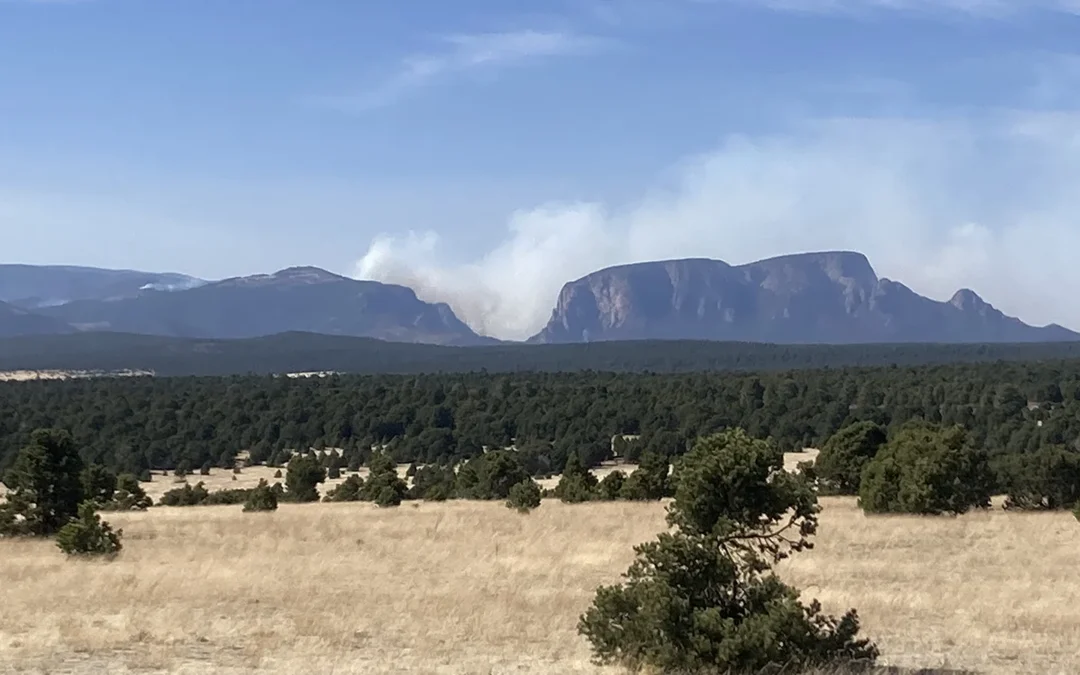
Nearly four years after the federally caused Hermits Peak–Calf Canyon Fire devastated northern New Mexico, a new independent economic analysis confirms that New Mexico Highlands University sustained between $209 million and $277 million in damages as a direct result of the disaster—losses the University continues to carry while awaiting full federal compensation.
The study, conducted by ECOnorthwest, documents extensive and ongoing impacts to Highlands, including physical damage to campus facilities and infrastructure, emergency response and recovery costs, operational disruptions, and long-term effects on students, employees, and the surrounding region.
“These findings validate what our campus and community have lived with for nearly four years,” Highlands President Dr. Neil Woolf said. “This was a federally ignited fire. The damage to New Mexico Highlands University is real, it is now clearly quantified, and the institution must be fully made whole.”
It’s an issue that Gov. Michelle Lujan Grisham said needs to be addressed.
"The federal government started this fire, Congress passed a law to make victims whole, and nearly four years later, New Mexico Highlands University is still waiting for the compensation it's owed. A public university serving rural New Mexicans deserves far more respect. My administration will continue to fight to ensure the federal government makes NMHU whole.
Documented Impacts
According to the analysis, Highlands’ losses include:
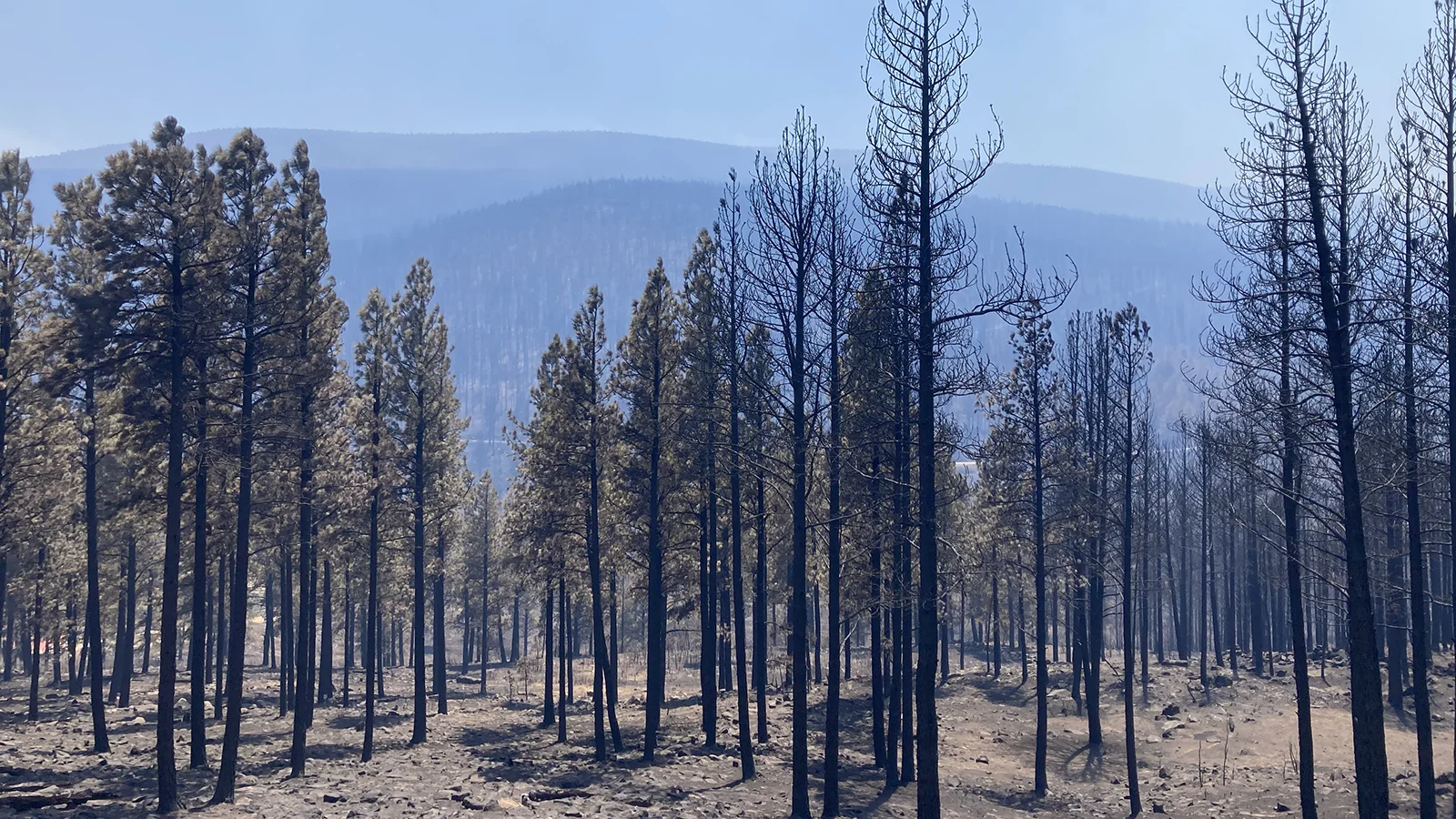
- $133–$195 million in flooding, erosion, smoke, and particulate damage affecting campus buildings, roads, athletic facilities, and core infrastructure following the fire
- $38–$44 million in accelerated deterioration of roads and facilities due to sustained heavy emergency vehicle traffic during fire response and recovery
- About $38 million in direct emergency-related costs, including staff overtime, housing and facility use, repairs, emergency supplies, increased insurance premiums, and expanded preparedness investments
- About $5 million in expanded mental-health services for students and employees affected by the fire and its aftermath
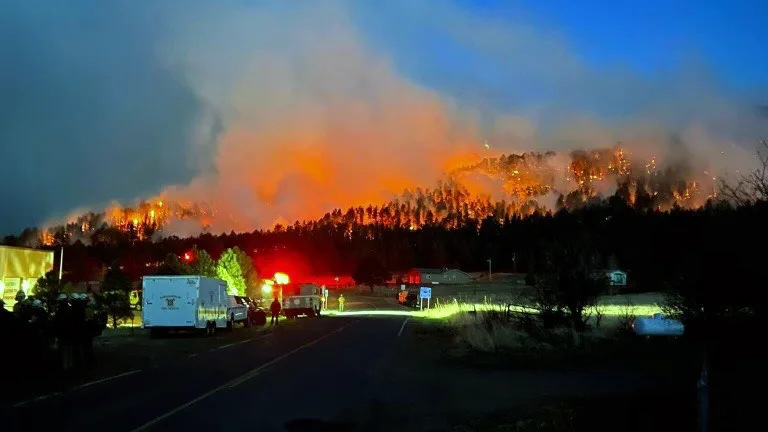
During the active fire, Highlands also served as a regional emergency resource—housing evacuees and first responders, supporting incident command operations, and diverting institutional resources to assist local, state, and federal response efforts.
An Entire Undergraduate Experience Shaped by Recovery
The duration of the recovery has now spanned a full undergraduate cycle. A student who began at New Mexico Highlands University in the fall of 2022—the semester following the fire—will graduate in 2026 having spent their entire college experience on a campus operating under recovery conditions, without seeing the University fully restored from a federally caused disaster.
“Our students have shown remarkable resilience,” Woolf said. “But resilience should not be a substitute for restoration.”
Beyond physical damage, the study highlights long-term consequences that continue to affect the University’s mission, including deferred capital improvements, hiring and retention challenges driven by regional housing pressures, and institutional resources diverted away from instruction and student services.
Federal Intent and Unfinished Recovery
In 2022, Congress passed the Hermits Peak–Calf Canyon Fire Assistance Act, legislation intended to establish a streamlined federal compensation process for victims of the federally caused fire.
U.S. Sen. Ben Ray Lujan (D-NM), a New Mexico Highlands alum and a principal architect and advocate of the legislation, emphasized that the intent of Congress was clear.
“When I wrote the Hermits Peak/Calf Canyon Fire Assistance Act, I felt the law was clear: victims of this federally caused disaster are entitled to fair and timely compensation,” he said. “The documented losses suffered by my alma mater, New Mexico Highlands University, underscore why it is essential that the law be fully upheld and that New Mexicans harmed by this fire be made whole. I will keep fighting for justice for our communities. Four years later, it is unacceptable that our communities are still waiting.”
Despite filing claims through multiple federal recovery and reimbursement programs, Highlands has not yet received compensation commensurate with its documented losses, prolonging the financial impact on a public regional university serving rural and first-generation students.
And that is unacceptable, said U.S. Rep. Teresa Leger Fernández.
“New Mexico Highlands University is vital to the education of New Mexico’s next generation and to the strength of the Las Vegas community,” she said. “This independent study confirms what we already knew—the Forest-Service-caused Hermit’s Peak/Calf Canyon Fire inflicted enormous damages on the university that they’re still dealing with almost four years after the flames ignited. Highlands deserves to receive compensation as our legislation intended so they can focus on students, not recovery.”
A Matter of Accountability
The ECOnorthwest analysis calculated both costs already incurred and costs the University is expected to bear in the future due to the ongoing effects of the fire, using established economic damage-assessment methodologies commonly applied in public-sector disaster recovery.
“This is no longer a question of estimation or process,” Woolf said. “The damages are documented, the federal responsibility is clear, and New Mexico Highlands University must be fully restored so that it can move forward without the burden of unresolved disaster costs and continue serving students, families, and communities across northern New Mexico as Congress intended.”