
Department of Forestry
Located at the heart of the Southern Rockies, where fire-shaped ponderosa pine forests meet ancient volcanic landscapes, NMHU's Department of Forestry prepares you to understand, protect, and restore the dynamic ecosystems of the American Southwest. Study where every hillside is a living laboratory, and your work shapes the future of forests under change.
Turn your potential into purpose. Apply to New Mexico Highlands University and become part of a legacy that transforms lives
Follow Your Path at NMHU
Dig Deeper. Protect Further.
What is a forester?
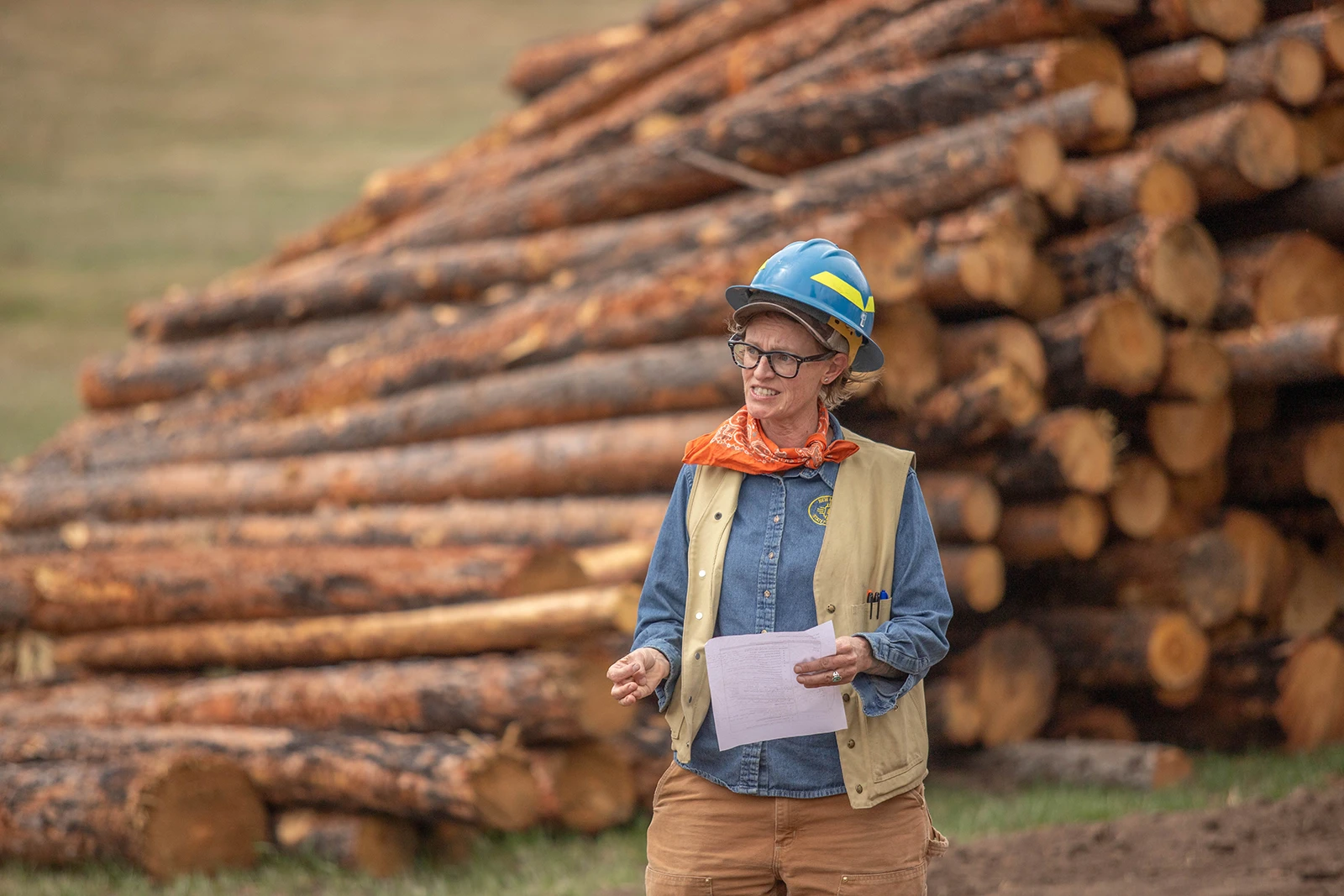
A forester is someone who actively manages forests and woodlands to balance things like wildfire risk, water resources, wildlife habitat, and sustainable timber. Here in northern New Mexico, that work is especially important as our forests are shaped by drought, fire, and a long history of human use, and they need thoughtful management now more than ever.
New Mexico's only Forestry Program:
With a forestry degree from New Mexico Highlands University, you’re stepping directly into a region where your skills are in high demand. You can learn to:
- Reduce wildfire risk through thinning and prescribed fire
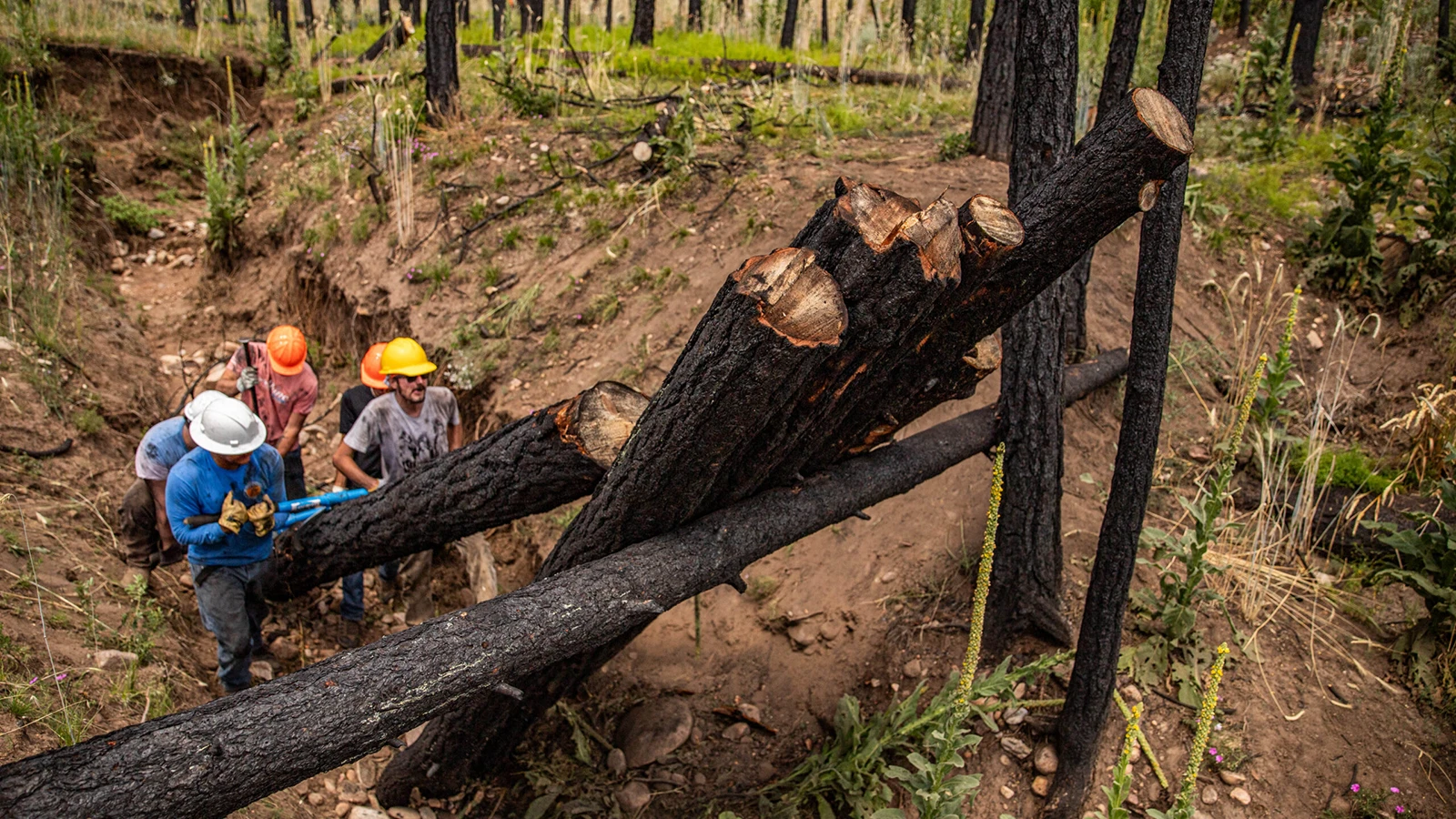
- Restore forests and watersheds impacted by past land use and severe fire
- Support communities that depend on forest resources
- Work with federal, state, Tribal, and private landowners across the Southwest
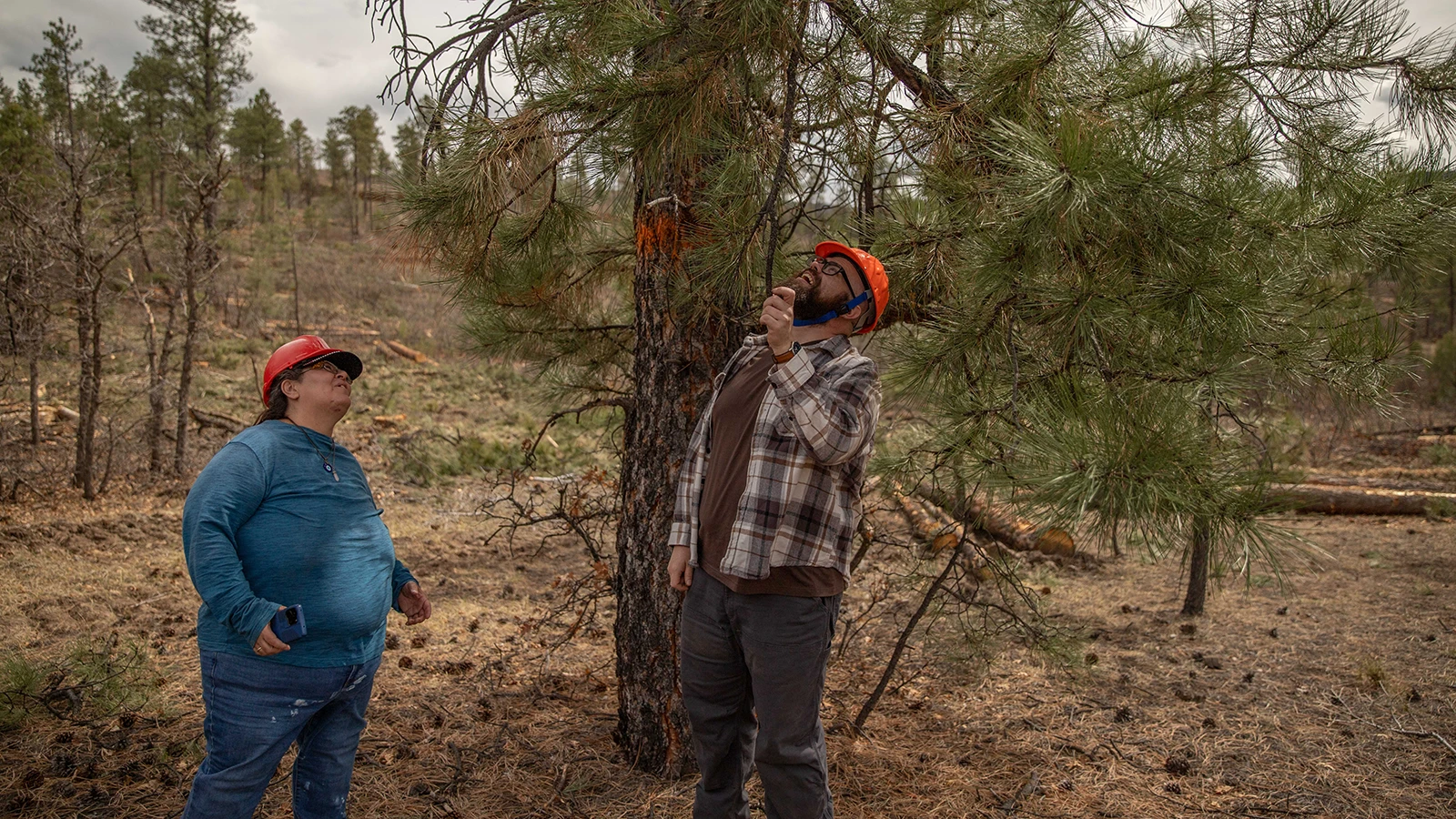
- Build hands-on skills using tools like GIS, forest inventory, and forest management techniques
- Pursue careers locally with agencies like U.S. Forest Service, Bureau of Land Management, state forestry, NGOs, or private industry
Forestry isn’t just a job, it’s a way to work outdoors, apply science, and make a visible difference in landscapes that matter to you and your community.
Pick the Program that Best Fits Your Interest
B.S. in Forestry
Rigorous, SAF-accredited training in forest and rangeland ecosystem management with concentrations in Forestry Management and Wildland Fire Management
B.A. in Conservation Management
Integrating ecology, economics, policy, law, and human dimensions for careers in research, government, industry, or public service
Minors in Wildland Fire and Wildlife Management
For students who want to gain exposure during their study of a different degree program.
All programs are grounded in the same core belief: that sustainable, adaptive management of natural resources requires both scientific depth and an understanding of the communities that depend on them.
Ready to Apply?
Fall admission: Priority deadline — first Friday in February
Spring admission: Priority deadline — first Friday in September
Applications are accepted year-round on a rolling basis

Our Programs
Forestry is the application of scientific principles to the sustainable management of forest resources, including a wide range of ecosystem services (e.g., non-timber forest products, wildlife, medicinal herbs, and craft materials), fresh water, and biodiversity. The primary goal of the forestry program is to train technically competent forest and natural resources managers who understand the ecological notions that underpin human use of forest resources.
Graduates of the Forestry Program meet all federal requirements for employment as a professional forester. Students receive training in the various techniques used to determine resource quantities and qualities, economic values, and social constraints in the management of natural resources. Students who major in forestry are not required to take a minor. A summer field course is required of all students prior to their graduation. Students who wish to pursue graduate degrees should talk to an adviser about recommended coursework.
The B.S. in Forestry offers two concentrations of study – Forestry Management and Wildland Fire. The Forestry Management concentration focuses on the management of timber as well as a wide range of ecosystem services produced by private and public lands. The Wildland Fire program, one of the few in the country, offers state-of-the-art instruction in the use and management of fire on the broad landscapes of the west.
In this era of rapid environmental change, these forestry fields are in increasing demand. After graduation, New Mexico Highlands University forestry students are prepared to meet that demand and embark on exciting and rewarding careers. The NMHU Forestry Program is accredited by the Society of American Foresters.
Conservation Management provides students with skills to integrate the diverse array of social, political, legal, institutional, cultural, economic, ecological, and biophysical considerations inherent in attaining environmental and resource management goals. This degree prepares students for a variety of careers in research, industry, education, government, or public service.
Students must complete a total of 43 to 46 hours in anthropology, biology, chemistry, forestry, and geology. The University requires at least 45 credit hours in upper (300-400 level) courses. The B.A. in Conservation Management requires a minor.
Forestry course requirements for graduation
The Department of Forestry offers an MS Natural Science degree with a concentration in Environmental Science & Management as well as a concentration in Forestry. These programs are designed around a core set of foundational courses after which students develop individualized programs of study (course work plus independent research) that incorporate each student’s distinctive background, educational goals, and career objectives. Students gain experience in the design, execution, and reporting of scientific research by completing a master’s thesis (thesis option) or an independent study/research project (non-thesis option).
The M.S. in Natural Science provides a unique opportunity for students to broaden their educational experience to include courses from fields they are less likely to encounter at traditional graduate programs as they prepare for employment in industry, government, or education or entry into doctoral programs.
Degree Requirements
The New Mexico Highlands undergraduate catalog outlines your options and the steps you need to take to complete degree requirements for your chosen major. To ensure the seamless completion of your degree, consult often with your academic adviser and utilize Highlands’ Degree Audit tool to keep track of your academic progress.
The New Mexico Highlands undergraduate catalog outlines your options and the steps you need to take to complete degree requirements for your chosen major. To ensure the seamless completion of your degree, consult often with your academic adviser and utilize Highlands’ Degree Audit tool to keep track of your academic progress.
Graduate students are assigned to a faculty adviser within their area of study. The faculty adviser will help the student complete a program of study to satisfy the specific course requirements within their area, outlined in the Graduate Catalog. The courses listed must satisfy the course requirements prescribed in the catalog of record. The academic adviser will provide guidance in completing your program of study.
B.S. Forestry Graduate Placement Rates
Job Placement
We average 95-100% job placement in the field with our B.S in Forestry. Most students participate in paid internships or summer technician roles during their degree program, resulting in immediate job placement.
Our students end up working with the United States Forest Service, the New Mexico Energy, Minerals, and Natural Resources Forestry Division, the Fish and Wildlife Service, Local Conservation Districts, and the Natural Resource Conservation Service. We are proud to see our students in the field as professionals and collaborators!
Latest News
Forestry department gets major grant from National Science Foundation
The National Science Foundation has announced an award of $5 million to establish a Center of Research Excellence in Science and Technology for Forest Restoration at New Mexico Highlands University. This award, received jointly by NMHU Forestry, the New Mexico Forest and Watershed Restoration Institute, and NMSU’s John T. Harrington Forestry Research Center, heralds the beginning of an exciting new era for forestry in the Southwest. We look forward to engaging current and new students in the activities of this new Center of Research Excellence. More news will be forthcoming in early spring 2020 about our new NSF Center.
New Mexico Highlands University offers the only bachelor’s degree in forestry in New Mexico. Students majoring in forestry at the undergraduate level may choose a concentration in forest management or wildland fire. The program also offers a master of science degree in natural resource management. The program is continually changing to give students a real-world understanding of ecological functions and emerging modern technologies like global positioning systems, geographic information systems, and computerized data collection.
Faculty and Staff
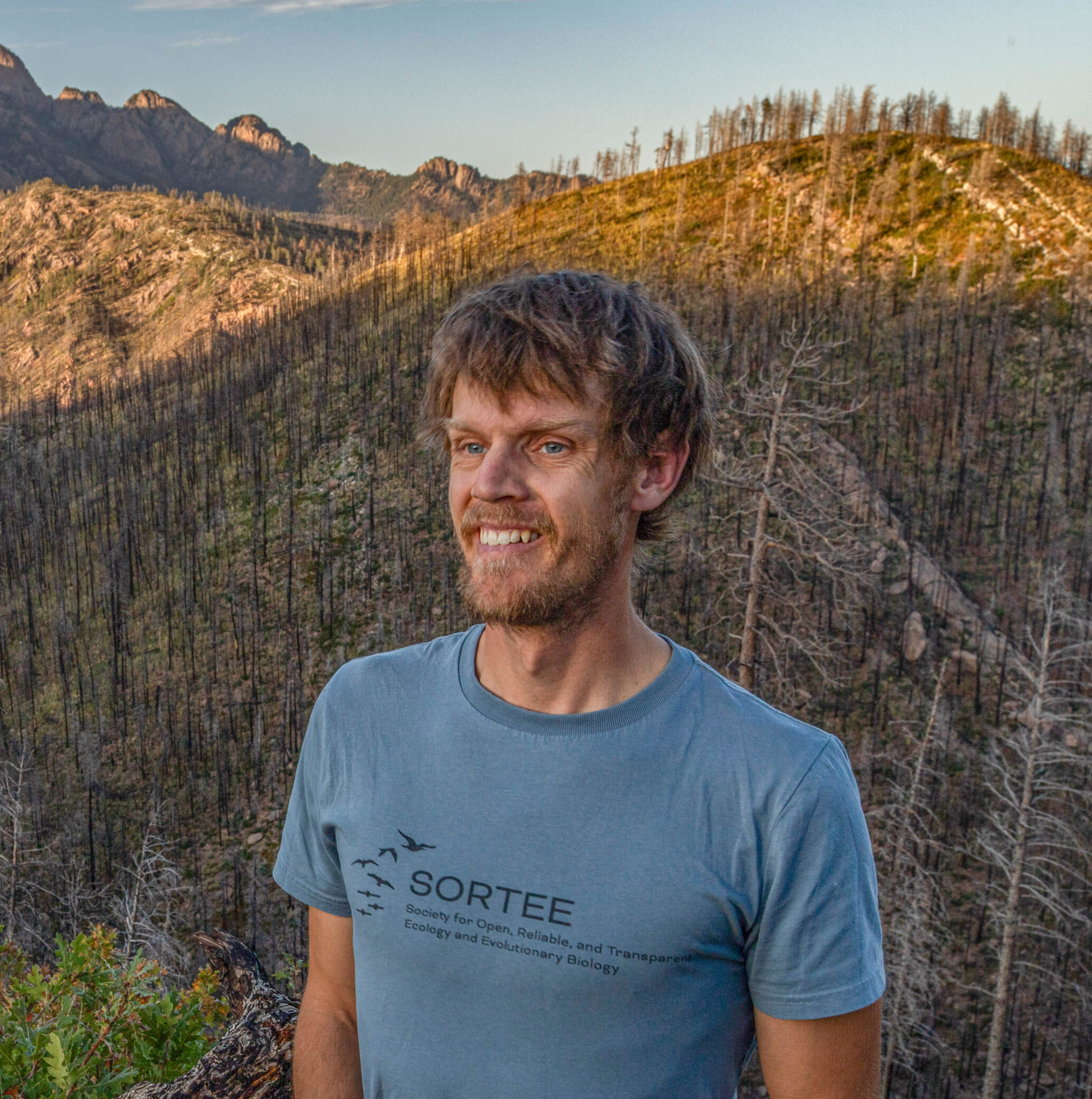
Michael Remke, Ph.D.
ASSISTANT PROFESSOR Department Chair
Research Interests: Fungal function ecology and plant community ecology
Office: HSCI 132
Email: mremke@nmhu.edu
Phone: (505)-454-3320
Website: Lab Website
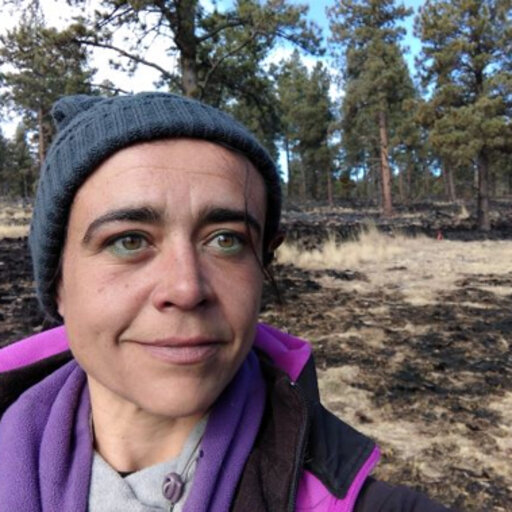
Blanca Cespedes, Ph.D.
ASSOCIATE PROFESSOR
Research Interests: Prescribed fire and wildland fire management
Office: HSCI 336
Email: bcespedes@nmhu.edu
Phone: (505)-454-3501

David Woodbury, Ph.D.
ASSISTANT PROFESSOR
Research Interests: Silviculture and forest ecology
Office: HSCI 135
Email: dwoodbury@nmhu.edu
Phone: (505)-454-3501
Website: Lab website

Josh Sloan, Ph.D., C.F.
ASSOCIATE PROFESSOR
Director of Reforestation Operations
Research Interests: Reforestation and forest management
Office: IA 200
Email: jsloan@nmhu.edu
Phone: (505)-454-3508
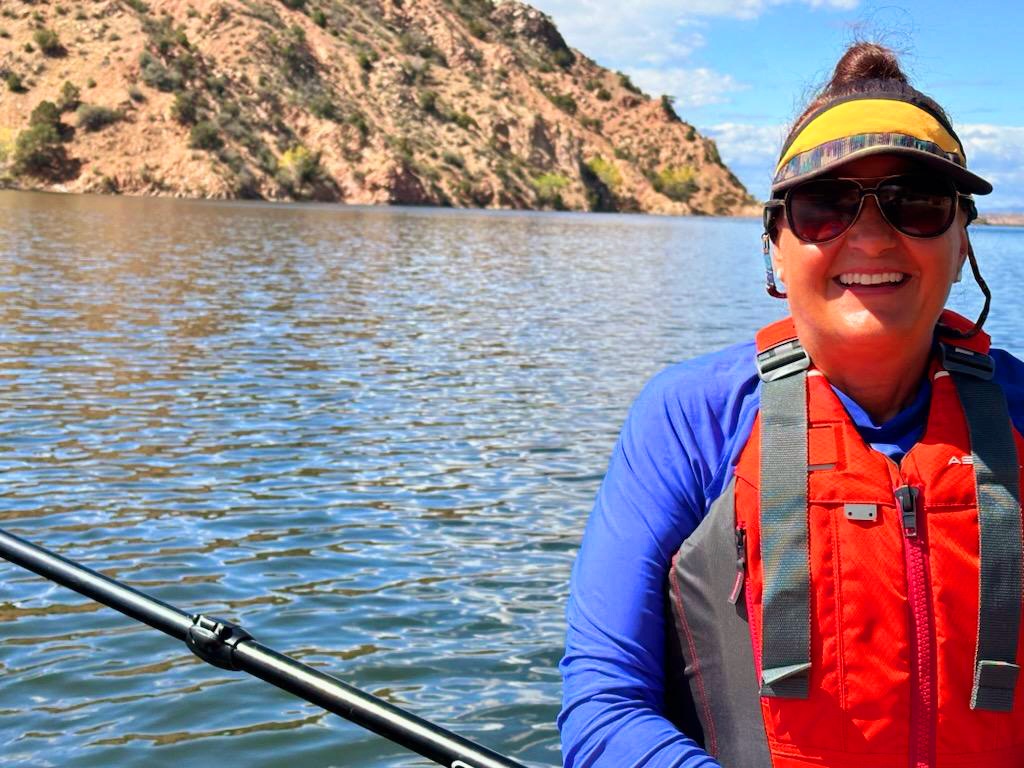
Julie Tsatsaros, Ph.D.
INSTRUCTOR
Office: HSCI 137
Research interests: Freshwater resources, watershed management, and transdisciplinary research
Email: jtsatsaros@nmhu.edu

Alan Barton, Ph.D., J.D.
DIRECTOR NEW MEXICO FOREST AND WATERSHED RESTORATION INSTITUTE
Research Interests: Law and Policy, Human dimensions of forestry